
Imagine owning a home where you can enjoy peaceful surroundings, beautiful beaches and a relaxed lifestyle.
Goa is one of India’s most popular destinations for people looking to buy residential property, holiday homes and plots of land. Some buyers want a peaceful place to retire, while others are interested in building a second home or making a long-term property investment.
However, buying property in Goa requires proper research. From selecting the right location to checking land documents and understanding local regulations, every step matters.
In this guide, we will cover the important things you should consider before buying property in Goa.
Why Are People Interested in Buying Property in Goa?
Goa offers a lifestyle that attracts buyers from different parts of India. Its natural surroundings, tourism industry and residential locations make it an interesting destination for property buyers.
Some common reasons people explore property in Goa include:
- Second Home: Buyers looking for a holiday home away from busy city life.
- Retirement Planning: People interested in settling in a peaceful environment.
- Residential Use: Families planning to build their own homes.
- Long-Term Ownership: Buyers exploring property as part of their long-term financial planning.
- Lifestyle Preferences: People who enjoy coastal surroundings and a relaxed lifestyle.

The right property depends on your personal goals, budget and intended use.
1. Choose the Right Location in Goa
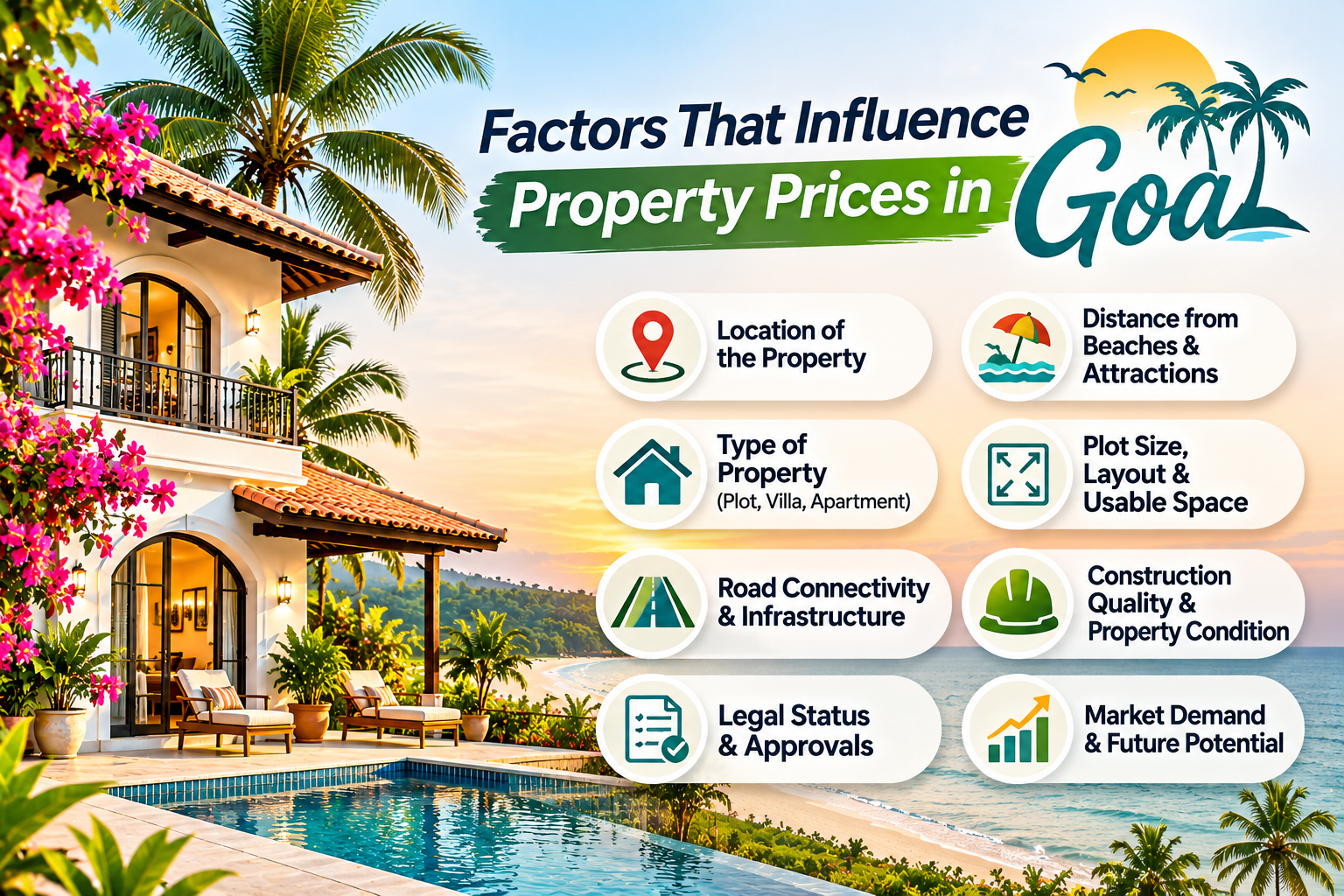
Location is one of the most important factors when buying property. Different parts of Goa offer different surroundings, infrastructure and property options.
Before selecting a location, consider:
North Goa
North Goa is known for its popular beaches, restaurants, markets and tourism-related activity. Buyers exploring areas around Mapusa, Porvorim and other developed neighbourhoods may find different residential property options.
South Goa
South Goa is often explored by buyers who prefer relatively quieter surroundings and residential locations. Areas around Margao and other parts of South Goa offer different property choices.
Do not select a location only because it is popular. Visit the area, check road connectivity and understand the facilities available nearby.
2. Decide Between a Plot, Villa or Apartment
Before starting your property search, decide what type of property you actually need.
Residential Plot
Buying a plot gives you the opportunity to plan and construct a home according to your requirements, subject to applicable permissions and land-use regulations.
Villa or Independent House
A villa may suit buyers who want an independent residential property without managing the entire construction process themselves.
Apartment
Apartments can be suitable for people looking for a residential property with shared facilities and potentially less individual maintenance responsibility.
Compare the purchase price, maintenance expenses, ownership documents and long-term suitability before making a decision.
3. Set a Realistic Property Budget
Your property budget should include more than the seller’s quoted price.
Consider the following expenses:
- Property purchase price
- Stamp duty and registration charges
- Legal verification expenses
- Brokerage, if applicable
- Applicable taxes
- Construction and development costs, if buying a plot
- Utility connections and other related expenses
- Maintenance and recurring ownership costs
If you are purchasing land for future construction, keep an additional budget for planning, approvals and building work.
A realistic budget will help you avoid financial pressure after purchasing the property.
4. Verify Property Documents Carefully
Document verification is one of the most important steps in buying property in Goa. Never rely only on verbal promises or photocopies provided by the seller.
Ask an independent property lawyer to review relevant documents, including:
- Sale deed and previous ownership documents
- Title records and ownership history
- Form I and XIV, where applicable
- Survey plan and property identification details
- Mutation and land record entries
- Encumbrance-related records and searches
- Applicable zoning and land-use information
- Required permissions and approvals
The exact documents required may differ depending on the type of property.
Make sure the property being offered matches the details in the official records. A lawyer familiar with Goa property matters can help identify potential legal issues before you proceed.
5. Understand Land Use and Construction Permissions
If you are purchasing a plot to build a home, checking its land-use status is essential.
Not every plot can automatically be used for residential construction. Buyers should verify:
- Whether the land use permits the intended development
- Applicable zoning restrictions
- Local planning regulations
- Building permissions and setbacks
- Access to a legally recognised road
- Any restrictions affecting construction
Do not assume that a property is suitable for building simply because nearby properties have houses.
Get written confirmation from the relevant authorities wherever required before making a purchase.
6. Check Road Access and Nearby Infrastructure
A property may look attractive during a site visit, but its everyday convenience depends on its surroundings.
Check the following before finalising a property:
- Road connectivity to major locations
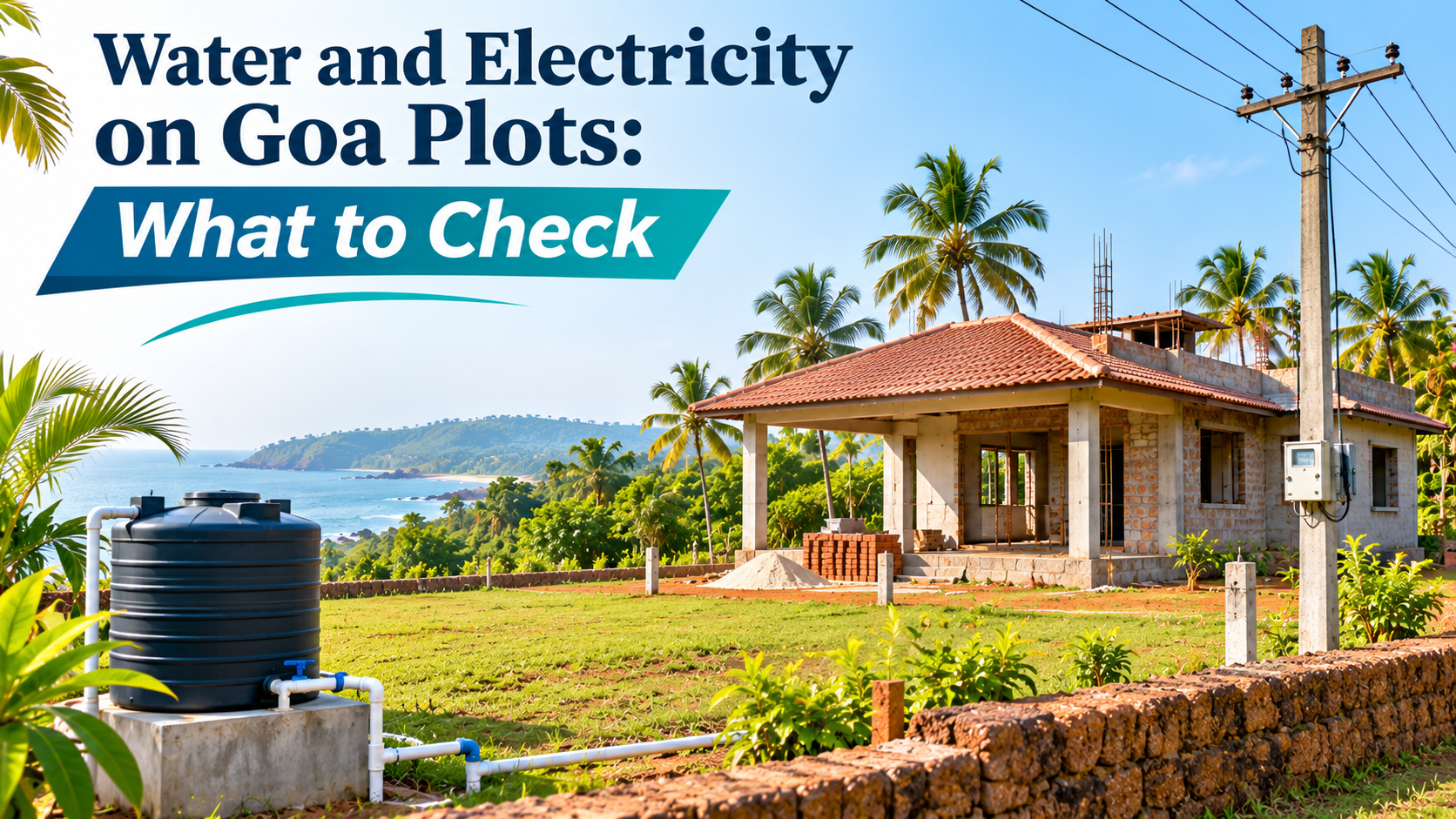
- Availability of water and electricity
- Mobile network and internet connectivity
- Nearby hospitals and medical facilities
- Schools, markets and essential shops
- Public transport availability
- Drainage and surrounding development
Visit the property at different times if possible. This can help you understand traffic, accessibility and the general environment.
7. Understand the Legal Process of Buying Property
Once you have selected a property and completed preliminary checks, the purchase process generally involves several steps.
Step 1: Property Selection
Identify a property that matches your budget, location preference and intended use.
Step 2: Document Verification
Get the title, ownership history, land records and applicable permissions checked by an independent lawyer.
Step 3: Agreement to Sell
If both parties agree to proceed, the terms and conditions can be recorded in an agreement to sell. Review the payment schedule, deadlines and conditions carefully.
Step 4: Sale Deed and Registration
The final sale deed should be properly prepared and registered with the relevant registration authority, following applicable legal requirements.
Step 5: Update Ownership Records
After registration, complete the applicable mutation and other ownership record updates.
The exact process can vary depending on the property type and circumstances. Professional legal guidance is recommended throughout the transaction.
8. Consider Long-Term Ownership Costs
Buying a property is only the beginning of ownership. You should also understand the expenses involved in maintaining it.
For example, a holiday home that remains unused for several months may require additional arrangements for cleaning, security and regular maintenance.
Consider:
- Property maintenance
- Local taxes and applicable charges
- Utility bills
- Repairs and upkeep
- Security arrangements
- Landscaping and outdoor maintenance
Planning these expenses in advance can make property ownership more manageable.
9. Common Mistakes to Avoid When Buying Property in Goa
First-time buyers sometimes focus too much on price or location and overlook important checks.
Avoid these common mistakes:
- Buying property without proper title verification.
- Ignoring land-use restrictions and construction permissions.
- Relying only on verbal commitments from sellers.
- Making large advance payments without a properly reviewed agreement.
- Ignoring road access and utility availability.
- Not checking the actual property boundaries.
- Depending entirely on the seller’s legal or technical advice.
Always conduct independent checks before transferring money or signing final documents.
Frequently Asked Questions
1. Is Goa a good place to buy property?
Goa can be an attractive option for buyers looking for a second home, residential property or a lifestyle-focused purchase. The suitability depends on location, budget, legal status and personal requirements.
2. What documents should I check before buying property in Goa?
Important documents may include the sale deed, previous ownership records, Form I and XIV where applicable, survey plan, mutation records and relevant land-use permissions. An independent lawyer should verify the complete document set.
3. Can I buy a plot in Goa and build my own house?
It depends on the property’s land-use classification, zoning regulations and applicable construction permissions. Buyers should verify these details with the relevant authorities before purchasing.
4. Which is better for buying property: North Goa or South Goa?
Both regions offer different property options. North Goa may appeal to buyers interested in developed and tourism-oriented surroundings, while South Goa may suit those exploring quieter residential locations. The right choice depends on your preferences.
5. Should I hire a lawyer before purchasing property in Goa?
Yes. An independent property lawyer can review ownership records, title history, agreements, permissions and other legal details before you complete the transaction.
Conclusion
Buying property in Goa can be an important personal and financial decision. Whether you are planning to purchase a residential plot, villa, apartment or second home, proper research is essential.
Focus on the location, budget, ownership documents, land-use permissions and long-term expenses. Avoid rushing into a purchase based only on attractive pricing or promises.
With careful planning and independent legal verification, you can make a more informed property-buying decision.
Explore property options and learn more at GoaPlot.in.